
Technology & Climate Change: Innovations for a Sustainable Future
Technology, often seen as a driver of progress and innovation, is intrinsically linked to the complex issue of climate change. While it has undoubtedly contributed to the problem through industrialization and increased energy consumption, technology also holds the key to mitigating its effects and paving the way for a more sustainable future.

This article explores the dual role of technology in climate change, highlighting both its contributions to the problem and the innovative solutions it offers to combat this global challenge.
The Double-Edged Sword: Technology's Contribution to Climate Change
- Industrialization and Fossil Fuel Dependence:
- The Industrial Revolution, fueled by technological advancements, led to a massive increase in the burning of fossil fuels like coal, oil, and gas, releasing greenhouse gases into the atmosphere and contributing significantly to global warming.
- 1. Causes of Climate Change | US EPA
- Industries like manufacturing, transportation, and agriculture continue to rely heavily on fossil fuels, perpetuating greenhouse gas emissions and exacerbating climate change.
- Energy Consumption and E-Waste:
- The proliferation of electronic devices and the increasing demand for digital services have led to a surge in energy consumption, further straining our reliance on fossil fuels and contributing to carbon emissions.
- 1. Rise of Electronic Devices Negates Advances in Energy Efficiency - Yale E360
- The rapid obsolescence of electronic devices and the lack of proper e-waste management practices contribute to environmental pollution and resource depletion.
- 1. Sustainable Approach to E-waste Management - Green City Times
Technological Solutions for a Sustainable Future
- Renewable Energy Technologies:
- Solar, Wind, and Hydropower: Advancements in renewable energy technologies have made them more efficient and affordable, offering cleaner alternatives to fossil fuels and reducing carbon emissions.
- Energy Storage and Grid Integration: Innovative solutions for energy storage and smart grid technologies are enabling the integration of renewable energy sources into the power grid, ensuring a stable and reliable energy supply.
- Energy Efficiency and Smart Technologies:
- Smart Buildings and Homes: Smart thermostats, lighting systems, and appliances optimize energy consumption, reducing energy waste and carbon emissions.
- 1. Smart Thermostats | Project Drawdown
- Industrial Automation and Optimization: AI and machine learning-powered technologies can optimize industrial processes, improving efficiency and reducing energy consumption.
- 1. AI and Deep Learning in Industrial Process Optimization - I-MAS
- Carbon Capture and Storage (CCS):
- Capturing Emissions: CCS technologies capture carbon dioxide emissions from power plants and industrial facilities, preventing them from entering the atmosphere.
- 1. What is carbon capture and storage? | CCS explained | National Grid Group
- Storage and Utilization: The captured carbon dioxide can be stored underground or utilized for industrial purposes, offering potential for carbon neutrality.
- 1. Carbon Capture - C2ES
- Climate Monitoring and Data Analysis:
- Earth Observation Satellites and Sensors: Satellite imagery and sensor networks provide real-time data on climate patterns, deforestation, and other environmental changes, enabling scientists and policymakers to make informed decisions and track progress.
- 1. Deforestation Monitoring - Swift Geospatial - Cocoa Plantation
- AI and Big Data: Artificial intelligence and big data analytics help process and analyze vast amounts of climate data, uncovering trends, predicting future impacts, and developing targeted solutions.
- 1. Big Data, Artificial Intelligence, and Data Analytics in Climate Change Research For Sustainable Development Goals - Research Gate
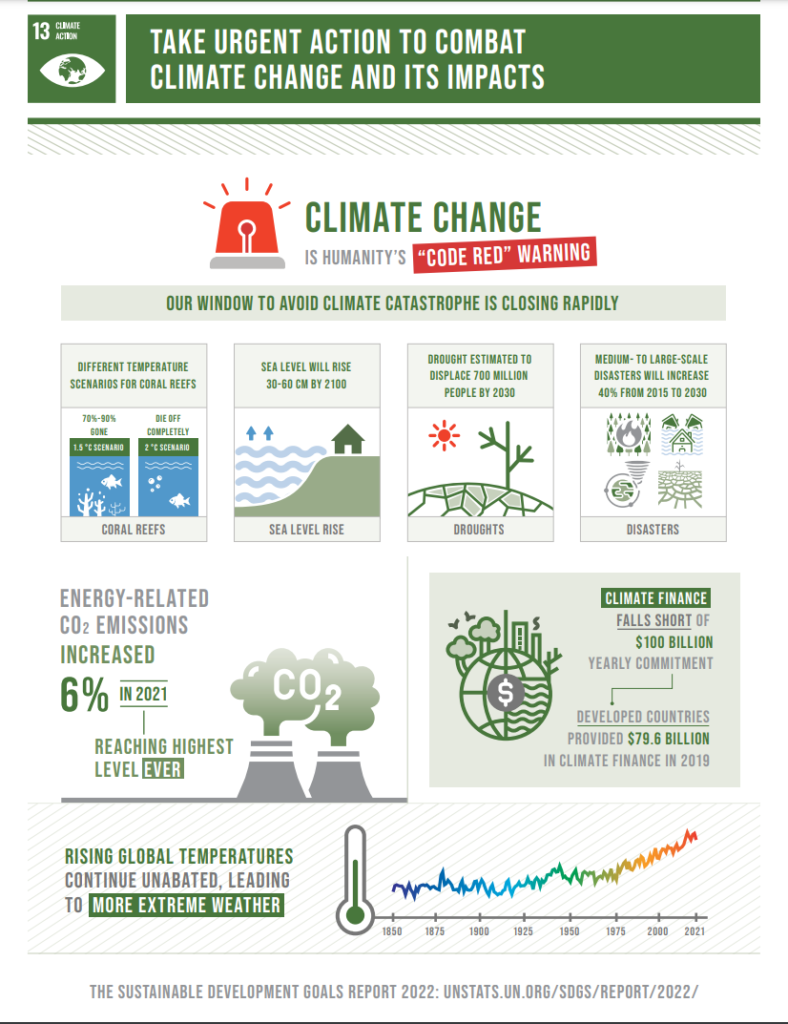
Here are some more facts on Climate change by UN.ORG, pdf can be downloaded from here
Challenges and the Road Ahead
While technology offers promising solutions, several challenges remain:
- Cost and Accessibility: The initial investment in renewable energy technologies and sustainable solutions can be significant, hindering their widespread adoption, especially in developing countries.
- Policy and Regulation: Supportive policies and regulations are essential to incentivize the development and deployment of sustainable technologies and promote a transition away from fossil fuels.
- Public Awareness and Engagement: Raising awareness about climate change and the role of technology in addressing it is crucial for fostering public support and driving collective action.
Conclusion
Technology has played a dual role in climate change, contributing to the problem through industrialization and energy consumption while also offering innovative solutions to mitigate its effects.
The path towards a sustainable future lies in embracing technological advancements, investing in renewable energy, promoting energy efficiency, and leveraging data analytics to monitor and address climate change challenges. By making conscious choices and supporting sustainable technologies, we can harness the power of innovation to build a greener and more resilient planet for future generations.
For information : Some facts collected with AI Assistance