
The Future of Virtual Reality in Education: What to Expect in the World of Technology
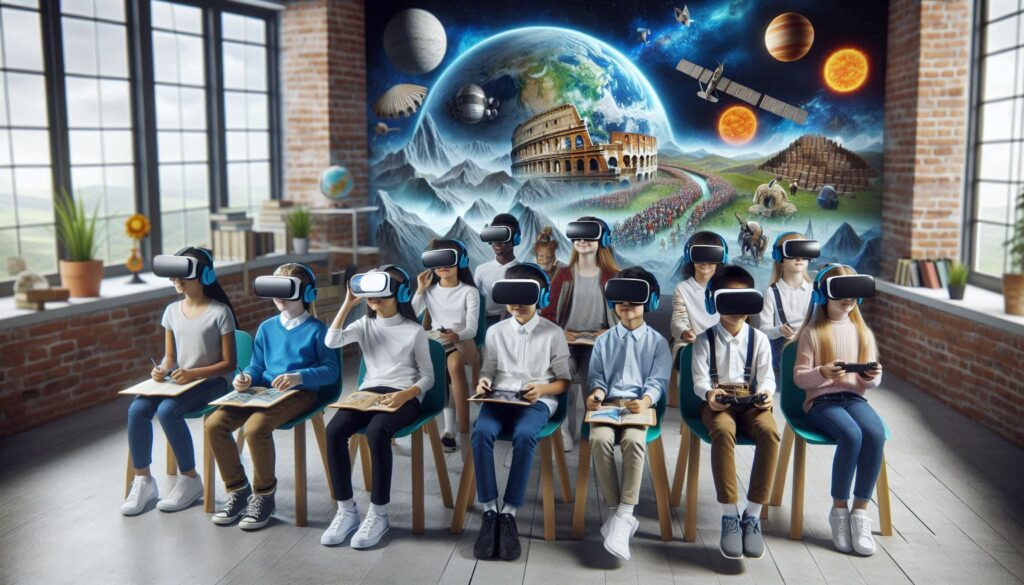
In the realm of education, a silent revolution is brewing. A revolution that promises to reshape the way we learn, teach, and interact with knowledge. This revolution is powered by virtual reality (VR), a technology that is poised to transform traditional classrooms into immersive, engaging, and interactive learning environments.
As we stand on the cusp of this exciting transformation, let's explore what the future of virtual reality in education might hold.
VR: A Game-Changer for Education
VR is more than just a tool for entertainment. It has the potential to revolutionize the way we learn by offering:
- Immersive Learning Experiences: VR can transport students to ancient civilizations, the depths of the ocean, or even the surface of Mars, providing firsthand experiences that are impossible in a traditional classroom setting.
- Enhanced Engagement and Motivation: By making learning interactive and fun, VR can spark students' curiosity and keep them motivated to learn.
- Personalized Learning: VR can adapt to individual learning styles and paces, providing tailored experiences that cater to each student's needs.
- Accessibility and Inclusivity: VR can break down barriers to education by providing access to learning opportunities for students with disabilities or those in remote areas.
The Future of VR in Education: A Glimpse into Tomorrow
While VR is still in its early stages of adoption in education, the future holds immense possibilities. Here are some of the trends and developments that we can anticipate:
1. VR Field Trips: Learning Beyond the Classroom
Imagine taking your students on a virtual field trip to the Great Wall of China, the Amazon rainforest, or even the International Space Station. VR field trips can provide immersive experiences that bring learning to life, making abstract concepts more tangible and memorable.
2. VR Simulations: Practice Makes Perfect
VR simulations can offer students a safe and controlled environment to practice complex skills and procedures. Medical students can perform virtual surgeries, engineering students can design and test virtual prototypes, and aspiring pilots can fly virtual airplanes.
3. VR Collaboration: Connecting Learners Across the Globe
VR can facilitate collaborative learning experiences, connecting students from different parts of the world in a shared virtual space. They can work together on projects, share ideas, and learn from each other, fostering a sense of global community.
4. VR for Special Needs Education: Empowering Every Learner
VR can be a powerful tool for special needs education, providing personalized learning experiences that cater to the unique needs of each student. It can help students with autism develop social skills, students with ADHD improve focus, and students with physical disabilities overcome mobility challenges.
5. AI-Powered VR: Personalized Learning at its Best
The integration of artificial intelligence (AI) with VR can take personalized learning to the next level. AI algorithms can track students' progress, identify their strengths and weaknesses, and provide tailored content and feedback, ensuring that every student reaches their full potential.
Challenges and Considerations
While the future of VR in education is bright, there are also challenges that need to be addressed:
- Cost: VR headsets and software can be expensive, making it difficult for some schools and students to access this technology.
- Technical Requirements: VR requires powerful computers and internet connectivity, which may not be available in all areas.
- Teacher Training: Teachers need to be trained on how to effectively use VR in their classrooms.
- Content Development: There is a need for more high-quality educational VR content.
Embracing the Future of Learning
Despite these challenges, the potential of VR in education is undeniable. As technology continues to advance and become more affordable, we can expect to see VR playing an increasingly important role in the classroom.
The future of VR in education is about creating immersive, engaging, and personalized learning experiences that empower students to reach their full potential. It's about breaking down barriers, connecting learners across the globe, and making education accessible to all.
So, let's embrace this exciting future and prepare our students for a world where learning is not just about acquiring knowledge, but about experiencing it firsthand.
In conclusion, the future of virtual reality in education is full of promise. As we continue to explore the possibilities of this technology, we can expect to see a transformation in the way we learn and teach.
Remember, the future of education is not just about what we learn, but how we learn it. And with VR, the possibilities are endless.
If you're interested in learning more about the future of technology in education, be sure to check out our other blog posts and resources. We're always exploring new ways to help you stay ahead of the curve.
Feel free to leave a comment below and share your thoughts on the future of VR in education. We'd love to hear from you!